
GLOW 70MG: The Ultimate Research Peptide Blend for Skin Regeneration and Tissue Repair Studies
GLOW 70MG has emerged as one of the most sought-after research peptide blends in the scientific community. This powerful combination is designed specifically for laboratory investigations into skin health, wound healing, anti-aging mechanisms, and cellular regeneration. Researchers worldwide are exploring its potential synergies in preclinical models.
What Is GLOW 70MG?
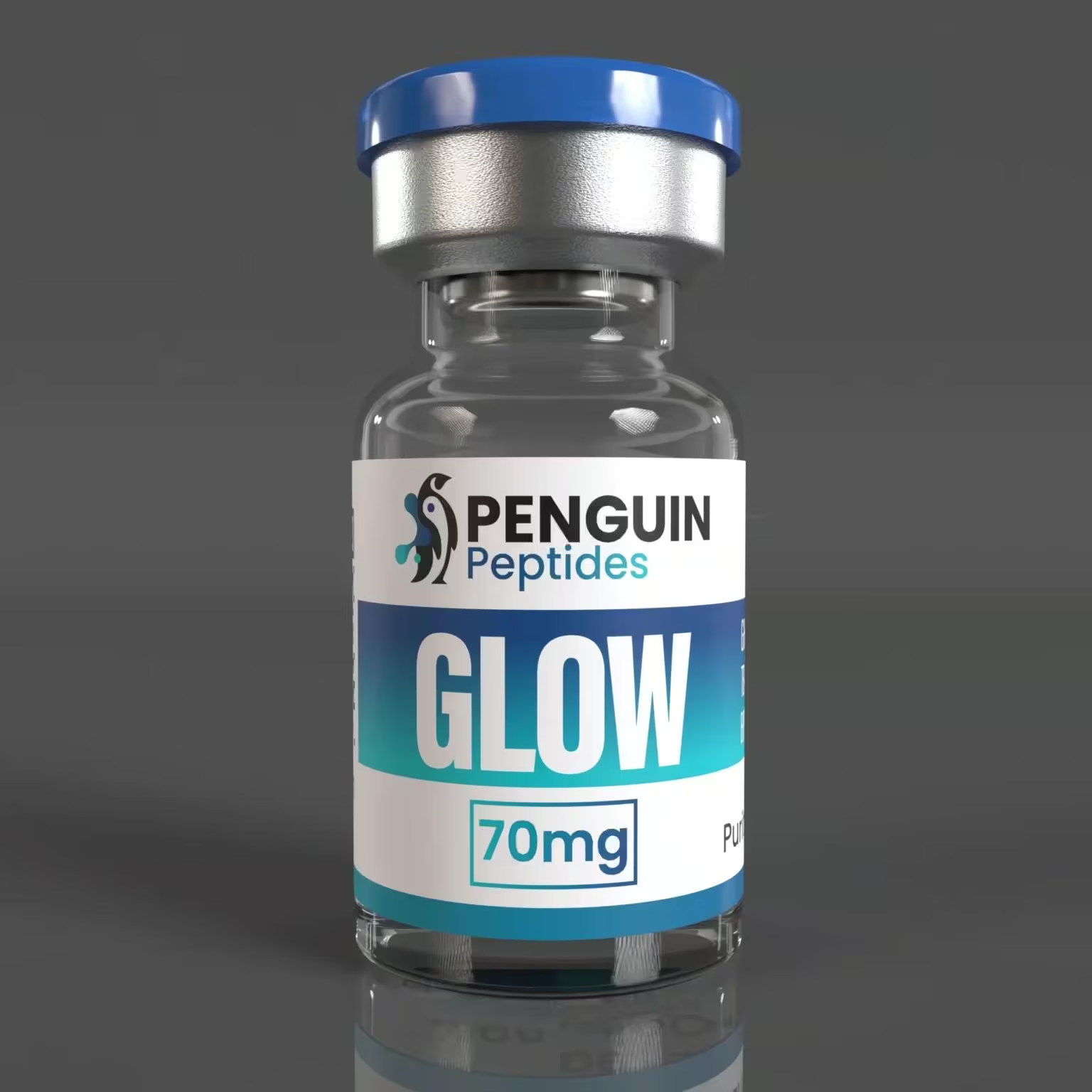
GLOW 70MG is a lyophilized research peptide blend typically composed of three key compounds: GHK-Cu (approximately 50mg), BPC-157 (10mg), and TB-500 (Thymosin Beta-4 fragment, 10mg). The total net weight per vial is 70mg, making it a convenient all-in-one formulation for controlled experimental studies.
This blend is supplied exclusively for research use only and is not intended for human consumption, veterinary applications, or diagnostic purposes. Laboratories value its high purity (often ≥99% as verified by HPLC and mass spectrometry) and stability in lyophilized form.
Key Components of GLOW 70MG Blend
- GHK-Cu (Copper Tripeptide-1): This copper-binding peptide is widely studied for its role in collagen production, antioxidant activity, and skin remodeling. Research suggests it may support extracellular matrix remodeling and reduce oxidative stress in cell cultures.
- BPC-157: Known in preclinical research for its tissue-protective properties, BPC-157 is investigated for gut health, tendon repair, and anti-inflammatory pathways in animal models.
- TB-500 (Thymosin Beta-4 fragment): This peptide is explored for its potential in promoting cell migration, angiogenesis (new blood vessel formation), and muscle/tissue recovery in laboratory settings.
The synergistic combination in GLOW 70MG allows researchers to study multi-pathway regenerative effects that individual peptides might not achieve alone.
Potential Research Applications of GLOW 70MG
Scientists are particularly interested in GLOW 70MG for studies on:
- Skin rejuvenation and anti-aging: Examining collagen synthesis, wrinkle reduction models, and dermal fibroblast activity.
- Wound healing and tissue repair: Investigating accelerated recovery in injury models.
- Hair growth and follicle health: Exploring potential applications in alopecia research.
- Inflammation modulation: Analyzing cytokine responses and recovery pathways.
- Angiogenesis and vascular studies: Understanding new blood vessel formation mechanisms.
These applications make GLOW 70MG a versatile tool in regenerative medicine research labs.
How GLOW 70MG Works in Preclinical Studies
The peptides in GLOW 70MG target different biological pathways:
- GHK-Cu interacts with copper-dependent enzymes involved in matrix metalloproteinases.
- BPC-157 modulates growth factors and nitric oxide pathways.
- TB-500 influences actin sequestration and cell motility.
Together, they may create a comprehensive regenerative environment in cell cultures and animal models. Reconstitution is typically done with bacteriostatic water, with common research protocols involving precise microgram dosing calculated from the total 70mg vial content. Always follow strict laboratory guidelines for handling and storage (refrigerated after reconstitution).
Benefits Observed in Research Settings
While results vary by study design, preliminary investigations into similar blends report:
- Enhanced skin elasticity markers in dermal models.
- Faster epithelialization in wound assays.
- Improved hair follicle proliferation rates.
- Reduced inflammatory markers in tissue samples.
These findings position GLOW 70MG as a promising candidate for advanced regenerative peptide research.
For more on individual peptide mechanisms, check our internal guide: Understanding BPC-157 in Research. (Internal link example)
Safety and Handling Guidelines for GLOW 70MG
As with all research chemicals, GLOW 70MG must be handled by trained professionals in approved laboratory environments. Key considerations include:
- Proper PPE usage.
- Sterile reconstitution techniques.
- Accurate dosing calculations using insulin syringes.
- Compliance with all institutional and regulatory requirements.
It is strictly not for human use. Misuse outside controlled research settings is prohibited.
Comparing GLOW 70MG to Other Peptide Blends
GLOW 70MG stands out due to its balanced 50/10/10 ratio, offering more comprehensive coverage than single-peptide vials. Researchers often prefer it over purchasing components separately for cost efficiency and consistency in experimental batches.
Reconstitution and Dosing Protocols in Labs
A common approach involves reconstituting the 70mg vial with 3ml of bacteriostatic water, yielding approximately 23.33mg/ml concentration. Dosing is then calculated based on specific study parameters. Videos and detailed math resources are available from reputable research suppliers for educational purposes in lab training.
Future Directions in GLOW 70MG Research
As interest in regenerative peptides grows, GLOW 70MG is expected to feature prominently in studies on longevity, aesthetic medicine models, and chronic injury recovery. Ongoing research may uncover even more applications for this innovative blend.
External Resource: Learn more about copper peptides in scientific literature on PubMed.
Frequently Asked Questions About GLOW 70MG
Is GLOW 70MG legal? It is legal for research purposes in most jurisdictions when purchased from reputable suppliers. It is not FDA-approved for human use.
How should I store GLOW 70MG? Keep lyophilized vials in a cool, dry place. After reconstitution, refrigerate and use within recommended timeframes.
What makes the 70mg blend special? The precise combination allows for synergistic research that single peptides cannot replicate easily.
Where can researchers buy GLOW 70MG? Choose vendors that provide third-party lab testing, COAs, and transparent sourcing.
In conclusion, GLOW 70MG represents a cutting-edge tool for scientists exploring the frontiers of peptide-driven regeneration. Its multi-target approach offers exciting possibilities for advancing our understanding of skin health, tissue repair, and overall cellular vitality in controlled laboratory environments. As research continues to evolve, this blend is poised to remain a staple in progressive peptide studies.
Be the first to review “GLOW 70MG”
Related products
Regenerative Research Compounds
Peptide Research Compounds
Regenerative Research Compounds
Regenerative Research Compounds
Regenerative Research Compounds
Regenerative Research Compounds
Regenerative Research Compounds
Dermal Research Compounds
Reviews
There are no reviews yet.