


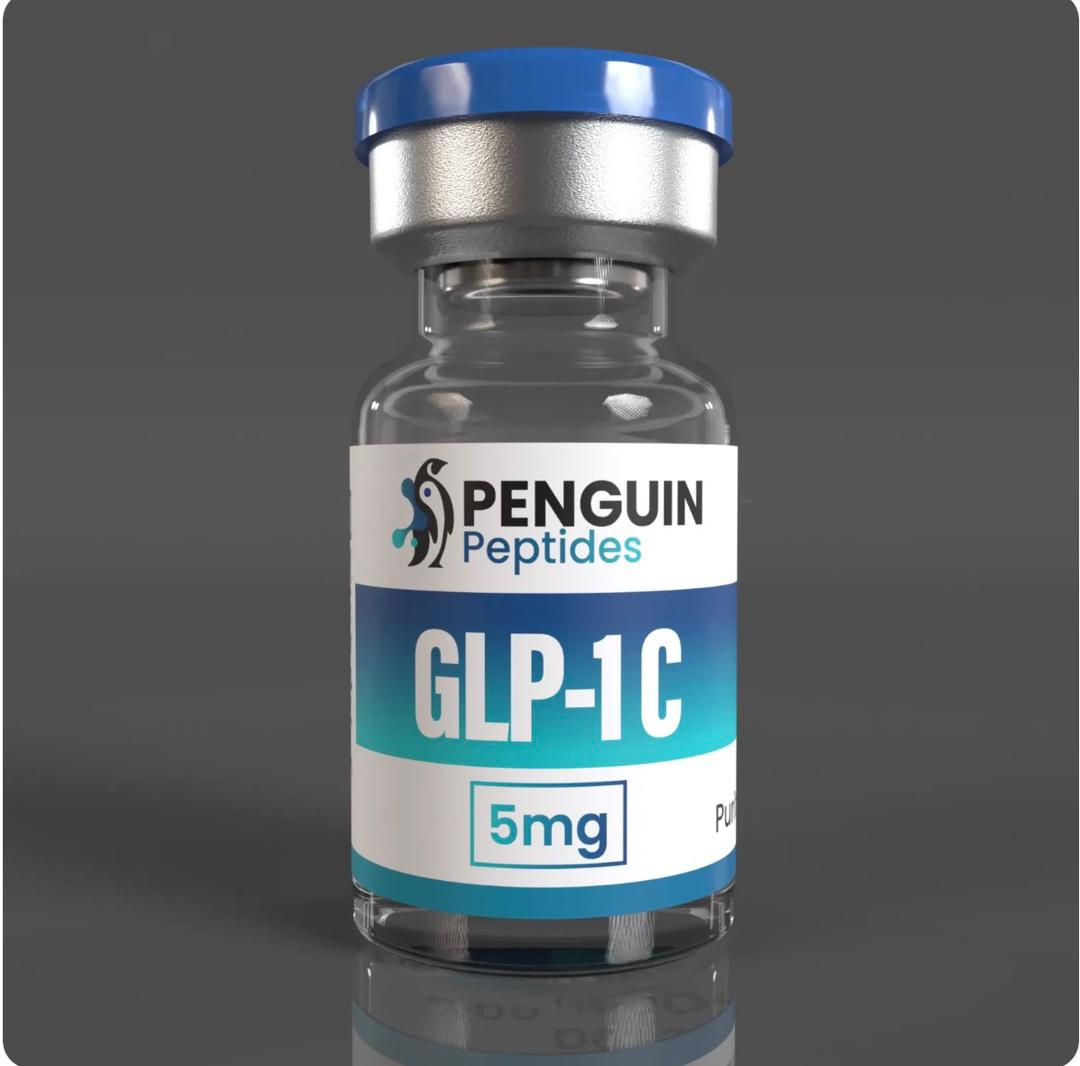
GLP-1C: Benefits, Dosage, Side Effects & Results Guide 2026
GLP-1C serves as a specialized research peptide in the GLP-1 family. Scientists develop this analog to study metabolic pathways, appetite regulation, and blood sugar control. Many researchers explore it alongside other GLP-1 compounds for its potential effects on weight management and insulin sensitivity.
This peptide mimics aspects of the natural glucagon-like peptide-1 hormone while offering modified properties suitable for laboratory investigation.
What is GLP-1C?
GLP-1C represents a synthetic peptide analog designed for research purposes. Suppliers often market it as part of metabolic peptide blends, sometimes combined with GLP-1S. It comes in lyophilized powder form, which researchers reconstitute with bacteriostatic water for in-vitro or analytical studies.
The compound focuses on activating GLP-1 receptor pathways that influence digestion, hunger signals, and glucose metabolism without the full profile of clinical GLP-1 agonists.
Key Benefits of This Peptide
Research and user observations highlight several potential advantages in controlled settings:
- Supports Appetite Regulation It may help reduce hunger signals and promote feelings of fullness through GLP-1 receptor pathways.
- Aids Metabolic Research Scientists study its role in blood sugar stabilization and insulin response.
- Promotes Weight Management Studies It shows potential for supporting fat loss and body composition research when combined with diet protocols.
- Enhances Insulin Sensitivity Early findings suggest improved glucose handling in metabolic models.
- Slows Gastric Emptying The peptide can influence digestion speed, which affects nutrient absorption timing.
- Contributes to Overall Metabolic Insights Researchers use it to better understand incretin hormone effects on energy balance.
This research compound provides targeted tools for studying the incretin system in laboratory environments.
Recommended Dosage
| User Level / Research Context | Typical Dosage | Frequency | Cycle Length | Purpose |
|---|---|---|---|---|
| Beginner / Exploratory | 0.1 – 0.25 mg | Once weekly | 4 – 8 weeks | Tolerance and basic effects |
| Intermediate | 0.25 – 0.5 mg | Once weekly | 8 – 12 weeks | Metabolic and appetite studies |
| Advanced | 0.5 – 1.0 mg+ | Once weekly | 12+ weeks | Comprehensive weight research |
Pro Tip: Researchers start with low doses and titrate slowly. Administer subcutaneously in study models. Always follow strict laboratory protocols and safety guidelines.
How to Reconstitute and Store
Follow these steps for proper preparation in research settings:
- Add 1–2 ml of bacteriostatic water slowly along the vial wall.
- Gently swirl until the powder dissolves completely — avoid shaking.
- Store the reconstituted solution in the refrigerator at 2–8°C.
- Use within the recommended stability period for accuracy.
Potential Side Effects
Research compounds like GLP-1C can produce effects similar to the GLP-1 class. Common observations in studies include:
- Nausea or gastrointestinal discomfort
- Reduced appetite (sometimes stronger than expected)
- Mild headaches or fatigue during initial phases
- Changes in digestion speed
- Possible blood sugar fluctuations
These effects often decrease with time or lower dosing. Researchers monitor subjects closely for any adverse reactions.
Important Disclaimer: GLP-1C is for research and educational purposes only. It is not FDA-approved for human consumption or therapeutic use. Always consult qualified professionals and adhere to all regulatory guidelines.
Results Timeline
In research contexts, patterns often emerge as follows:
- Week 1–4: Initial appetite changes, adjustment period, and early metabolic responses
- Week 5–8: More noticeable effects on food intake and body weight markers
- Week 9–12+: Potential improvements in glucose control and sustained metabolic shifts
Best results appear when researchers combine the peptide with controlled nutrition and monitoring protocols. Individual responses vary significantly.
Why Researchers Study GLP-1C
This analog offers a focused way to investigate GLP-1 receptor activation. It helps scientists explore new angles in obesity, diabetes, and metabolic disorder research with potentially refined characteristics.
Where to Buy GLP-1C
Choose trusted research chemical suppliers that provide third-party lab testing, detailed certificates of analysis, and proper documentation. Verify purity and the correct sequence for reliable experimental outcomes.
| mg | 10mg, 5mg |
|---|
Be the first to review “GLP-1C”
Related products
Metabolic-Research-Compounds
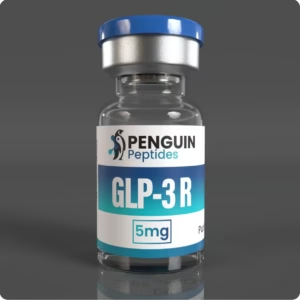
Metabolic-Research-Compounds
Metabolic-Research-Compounds
Metabolic-Research-Compounds
Metabolic-Research-Compounds
Metabolic-Research-Compounds
Metabolic-Research-Compounds
Metabolic-Research-Compounds
Reviews
There are no reviews yet.