


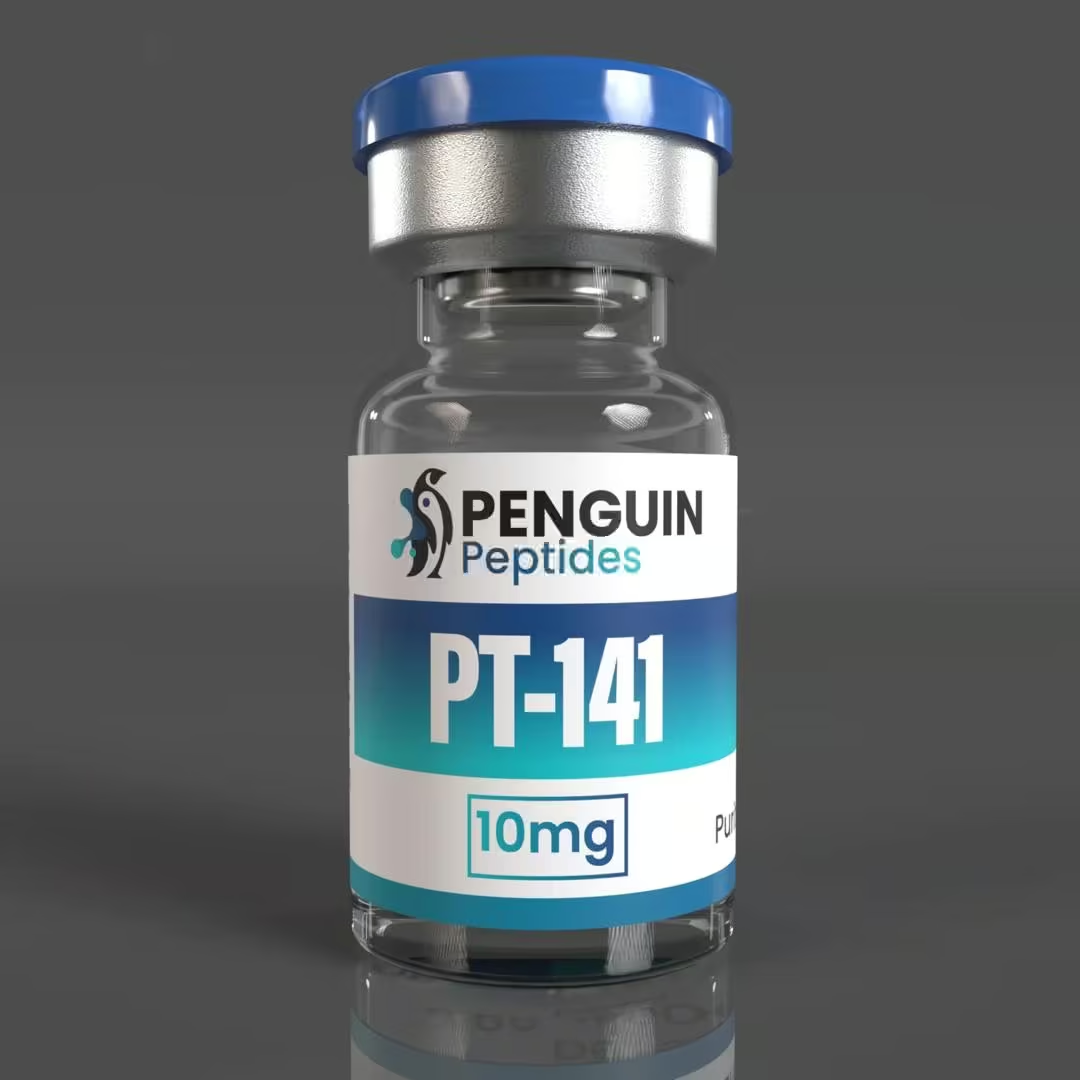
PT-141 (Bremelanotide): The Complete Guide to Benefits, Uses, and What You Need to Know
Whether you’ve stumbled across PT-141 in a research forum or heard about it from a healthcare provider, chances are you have questions. PT-141 — also known by its pharmaceutical name Bremelanotide — has become one of the most discussed peptides in the world of sexual health and wellness. Unlike many compounds in its category, PT-141 has an FDA-approved form and a growing body of clinical research to back its applications.
In this comprehensive guide, we’ll explore what PT-141 is, how it works, who might benefit from it, what the research says, and what you should know before considering it.
What Is PT-141?
PT-141, or Bremelanotide, is a synthetic peptide originally derived from Melanotan II, a compound studied for its tanning and appetite-suppressing properties. During early research, scientists discovered an unexpected and significant side effect: increased sexual arousal. This discovery led to focused development of PT-141 as a treatment for sexual dysfunction.
Unlike traditional sexual health medications — such as sildenafil (Viagra) or tadalafil (Cialis) — PT-141 does not work on the vascular system. It doesn’t increase blood flow to the genitals. Instead, it works directly on the central nervous system, targeting melanocortin receptors in the brain to stimulate sexual desire at a neurological level.
This fundamental difference makes PT-141 particularly notable: it addresses the desire component of sexual function, not just the physical mechanics.
How Does PT-141 Work?
PT-141 is a melanocortin receptor agonist, meaning it activates specific receptors (primarily MC3R and MC4R) in the hypothalamus — the region of the brain responsible for regulating sexual behavior, appetite, and mood.
When these receptors are activated, a cascade of neurochemical signals is triggered that can increase libido and sexual motivation. This mechanism is relevant for both men and women, which sets PT-141 apart from most other treatments that have historically been developed with only one sex in mind.
Key points about PT-141’s mechanism:
- Acts centrally (in the brain), not peripherally (in blood vessels)
- Stimulates dopaminergic pathways involved in motivation and reward
- Effects can last 6 to 72 hours depending on dosage and individual response
- Does not require sexual stimulation to initiate its action (though stimulation enhances it)
PT-141 and FDA Approval
In 2019, the FDA approved Vyleesi — a branded form of Bremelanotide — for the treatment of Hypoactive Sexual Desire Disorder (HSDD) in premenopausal women. This marked a significant moment, as HSDD is a condition characterized by persistently low sexual desire that causes significant personal distress.
The approval followed two Phase 3 clinical trials that demonstrated statistically significant improvements in sexual desire and reductions in distress related to low libido.
While the FDA approval is specifically for premenopausal women with HSDD, PT-141 is also explored off-label for:
- Erectile dysfunction in men, particularly in cases where PDE5 inhibitors (like Viagra) have not been effective
- Sexual dysfunction in postmenopausal women
- General low libido in individuals of any sex
Potential Benefits of PT-141
Research and anecdotal reports point to a range of potential benefits:
1. Increased Sexual Desire The primary benefit of PT-141 is a measurable increase in libido. Clinical trials showed that women using Bremelanotide reported more satisfying sexual events and greater desire compared to placebo groups.
2. Improved Sexual Function in Men Studies have shown that PT-141 can help men achieve and maintain erections, even in cases of psychological or neurological ED where blood flow-based treatments fall short.
3. Psychological and Emotional Benefits Because PT-141 works via the central nervous system, some users report improvements in mood, confidence, and emotional connection during intimacy — benefits that go beyond purely physical arousal.
4. Versatility Across Sexes Unlike most sexual health medications historically targeted at men, PT-141 has demonstrated efficacy across sexes, making it a uniquely versatile option in this therapeutic space.
Dosage and Administration
PT-141 (Vyleesi) is administered via subcutaneous injection, typically in the abdomen or thigh. The standard clinical dose is 1.75 mg, injected approximately 45 minutes before anticipated sexual activity.
It is generally recommended no more than once every 24 hours and no more than approximately 8 times per month. Dosage may vary in research or compounded forms, and individuals should always work with a qualified healthcare professional before use.
Side Effects and Considerations
PT-141 is not without side effects. The most commonly reported include:
- Nausea (the most frequent complaint, affecting a significant portion of users)
- Flushing or skin reddening
- Headache
- Hyperpigmentation with extended use (due to its melanocortin activity)
- Transient increases in blood pressure — which is why it is contraindicated in individuals with cardiovascular conditions
Nausea is typically manageable and transient, and many protocols suggest taking an antiemetic (nausea medication) beforehand to reduce discomfort.
Who Should Avoid PT-141?
PT-141 is not recommended for individuals who:
- Have high blood pressure or cardiovascular disease
- Are pregnant or breastfeeding
- Are currently taking medications that interact with melanocortin receptors or blood pressure medications
Always consult a licensed physician before starting any peptide therapy.
Final Thoughts
PT-141 represents a genuinely novel approach to treating sexual dysfunction — one grounded in neuroscience rather than vascular mechanics. With FDA approval for HSDD and a growing body of research supporting its off-label uses, it occupies a unique and increasingly recognized position in sexual health medicine.
That said, it is not a magic solution. It works best as part of a holistic approach to sexual wellness that includes open communication, mental health support, and medical supervision.
If you’re exploring PT-141 for personal health reasons, always work with a board-certified healthcare provider who can evaluate your individual circumstances and guide you safely.
Disclaimer: This article is for informational purposes only and does not constitute medical advice. PT-141 should only be used under the supervision of a qualified healthcare professional.
Be the first to review “PT-141”
Related products
Specialized Research Compounds
Specialized Research Compounds
Specialized Research Compounds
Reviews
There are no reviews yet.